


Many believe that a heat pump’s lifespan is solely determined by its brand or model, but regular maintenance plays a vital role, too. By adopting a few essential upkeep practices, you can markedly enhance your system’s efficiency and longevity. Curious about what specific steps you should take to guarantee your heat pump remains in top shape? Let’s explore some straightforward tips that can make all the difference in Redding, CA.
Regular Filter Replacement
One of the simplest yet most effective ways to maintain your heat pump is by regularly replacing the filter. A clean filter allows your system to run efficiently, ensuring maximum airflow and performance.
When dirt and debris clog the filter, it forces your heat pump to work harder, leading to increased energy bills and potential breakdowns.
You should check the filter monthly, especially during peak usage seasons. Depending on your system and filter type, you might need to replace it every one to three months.
If you have pets or allergies, consider changing it more frequently to improve indoor air quality. Regular filter maintenance not only enhances efficiency but also contributes to long-term reliability and fewer repairs, ensuring a healthier environment.
Routine Professional Inspections
Scheduling routine professional inspections for your heat pump can greatly extend its lifespan and enhance efficiency. By investing in these inspections, you guarantee that any potential issues are identified early, saving you money and hassle down the line.
Here are three key benefits of having regular professional check-ups:
- Comprehensive Diagnostics: Technicians thoroughly assess your system, pinpointing inefficiencies or impending failures that you might miss.
- Optimal Performance: Regular inspections help maintain your heat pump’s efficiency, guaranteeing it operates at peak performance all year round.
- Increased Lifespan: Addressing minor issues during inspections can prevent costly repairs and extend the overall life of your unit. Additionally, these inspections focus on preventative care to lower energy costs and ensure reliability during temperature fluctuations.
Don’t wait for a breakdown to call for help. By scheduling these inspections, you’re taking proactive steps to keep your heat pump running smoothly and efficiently.
Trust Redding Heating & AC Repair for reliable service that prioritizes your comfort.
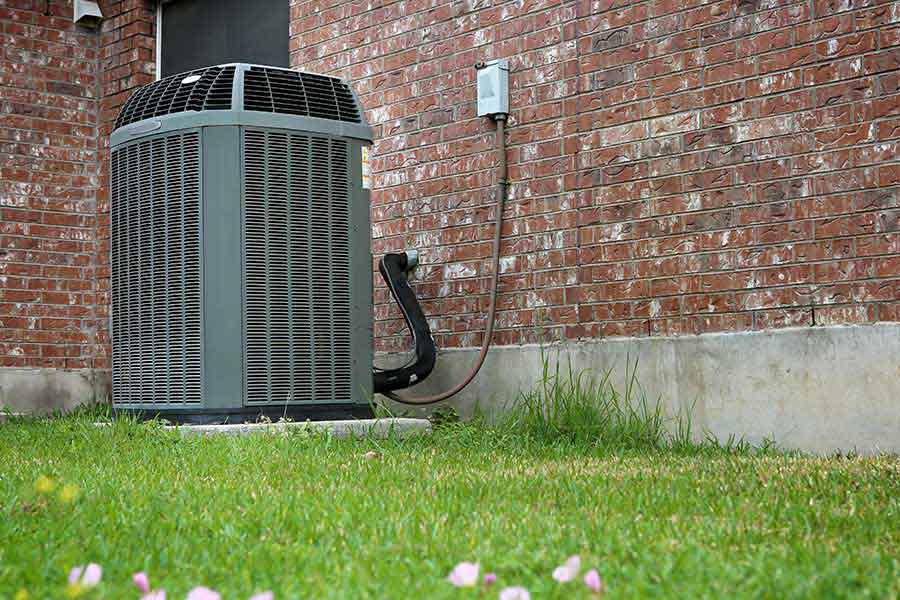
Cleaning the Outdoor Unit
To keep your heat pump running efficiently, regularly cleaning the outdoor unit is essential. Start by turning off the power to the unit to guarantee safety.
Remove any debris like leaves, dirt, or grass clippings that may have accumulated around the base. Use a soft brush or cloth to gently clean the fins and coils, being careful not to bend them. This will help improve airflow and boost efficiency.
Next, check the drainage holes for blockages. Clear any obstructions to prevent water buildup, which can harm the unit. If your outdoor unit has a fan, verify it spins freely and is free of debris.
Finally, consider rinsing the unit with a garden hose on a low setting to wash away stubborn dirt. Regular cleaning helps maintain performance and prolongs your heat pump’s lifespan, ultimately saving you on costly repairs down the line. Additionally, professional heat pump repair ensures that any underlying issues are addressed before they escalate into major problems.
Checking and Sealing Ductwork
After ensuring your outdoor unit is clean, checking and sealing your ductwork is the next step to maximize your heat pump’s efficiency.
Leaky ducts can lead to significant energy loss, making your system work harder and increasing your bills.
Here’s how you can tackle this task effectively:
- Inspect for Leaks: Look for gaps or holes in the ductwork, especially at joints and connections. Use your hand to feel for airflow or listen for hissing sounds.
- Seal the Ducts: Use mastic sealant or foil tape to seal any identified leaks. Avoid using regular duct tape, as it can deteriorate over time.
- Insulate Ducts: If your ducts run through unconditioned spaces, consider insulating them to prevent heat loss. Additionally, ensuring your ducts are airtight ducts is crucial for proper air distribution and overall system efficiency.
Monitoring Thermostat Settings
While you mightn’t think about your thermostat often, monitoring its settings is crucial for your heat pump’s efficiency. Adjusting the thermostat correctly helps maintain a comfortable temperature while preventing unnecessary energy consumption.
Set your thermostat to a consistent temperature, ideally around 68°F during the winter and 78°F in the summer. This not only saves energy but also reduces wear on your heat pump.
Consider utilizing a programmable thermostat to automate temperature adjustments based on your schedule. This feature allows you to save energy when you’re away from home.
Regularly check for any malfunctions or incorrect readings, as they can lead to inefficient operation.
Lastly, make it a habit to periodically recalibrate your thermostat to guarantee accuracy. By keeping an eye on these settings, you’ll enhance your heat pump’s performance and extend its lifespan, ensuring your home stays comfortable year-round.

Conclusion
By following these essential heat pump maintenance tips, you can greatly extend the lifespan of your system and enjoy lower energy costs. You might think regular upkeep takes too much time, but these simple tasks can actually save you money and hassle in the long run. With just a little effort, you’ll guarantee your heat pump runs efficiently year-round, keeping your home comfortable and your wallet happy. Start today, and see the difference it makes!